
How to Experience Marine Life Conservation in Australia

Exploring Marine Sanctuaries
Top Protected Areas
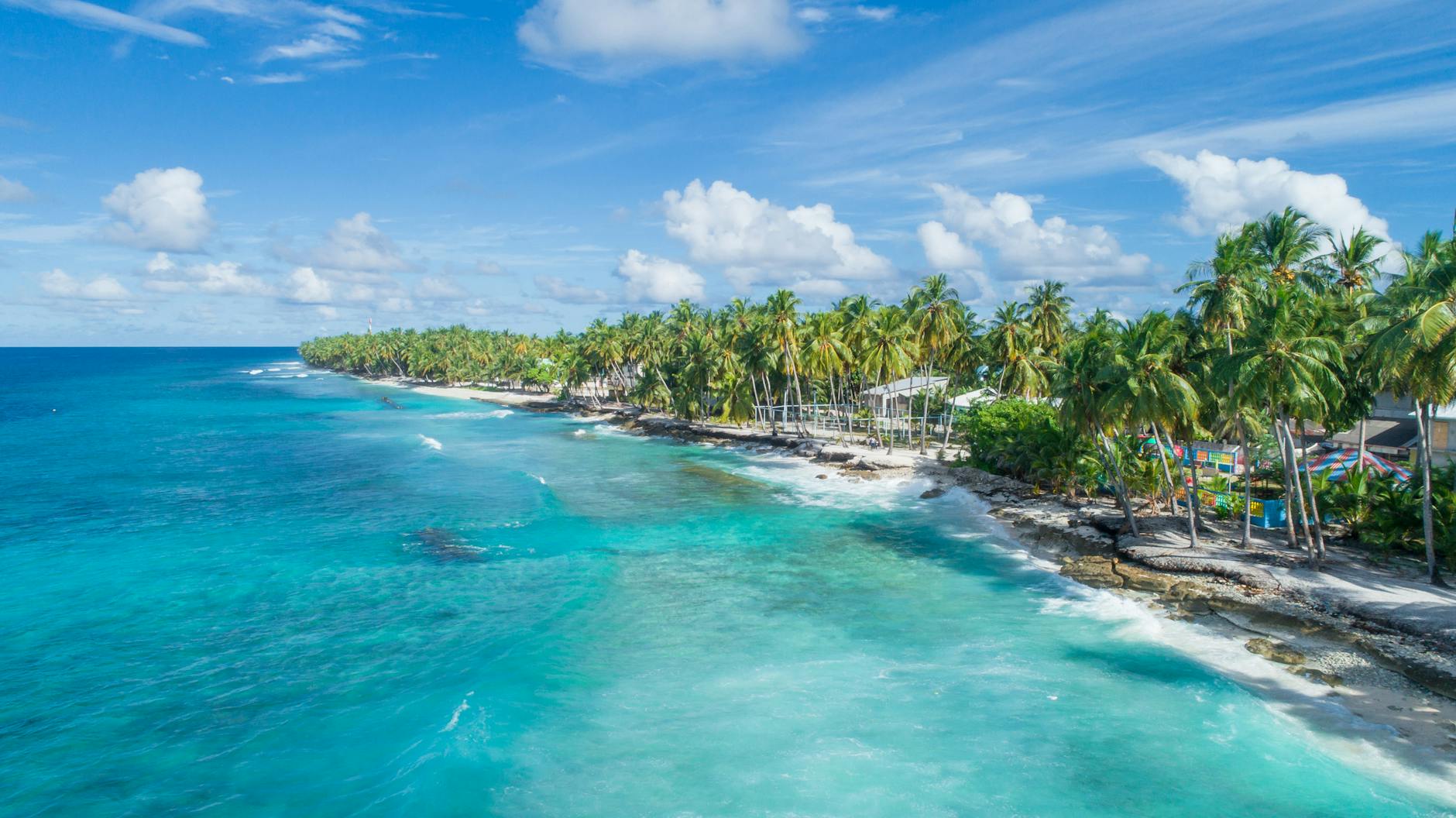
Australia offers some of the world's most outstanding marine sanctuaries. The Great Barrier Reef, a UNESCO World Heritage site, stands as an irreplaceable wonder. However, closer to home in Perth, the Ningaloo Reef rivals it with its extraordinary coral formations and whale shark tours, providing exciting outreach programs that engage visitors in active conservation efforts.
Key Species to Spot
Among the marine sanctuaries, the Ningaloo Coast is a hotspot for unique marine life. Marine biologists and enthusiasts alike can witness a plethora of species including the iconic whale shark, migrating humpback whales, and vibrant coral species. The presence of these creatures emphasises the importance of our conservation efforts.
Conservation Regulations
It’s crucial to be aware of the conservation regulations that protect these areas. For example, Ningaloo Reef has stringent rules regarding fishing, anchoring, and even diving. Respecting these regulations helps to minimise human impact and ensures the sustainability of these ecosystems. Simple actions like adhering to designated pathways and using reef-safe sunscreen contribute greatly to the health of our marine environments.
A local visit to AQWA – The Aquarium of Western Australia – can be profoundly enlightening. Here, exhibits illustrate the delicate balance needed to maintain biodiversity, providing a powerful reminder of why these regulations matter. Similarly, eco-conscious travelers exploring other natural wonders, such as on African tours or during an African safari, can learn the importance of safeguarding wildlife and ecosystems.
Taking these steps ensures we continue to admire the wonders of marine life, from the breathtaking displays at AQWA to the sandy shores of Penguin Island, without causing harm to the intricate ecosystems that support them.
Educational Tours and Programs
Guided Tour Options
In and around Perth, there are a plethora of guided tours tailored to offer both an enriching and educational experience. For instance, one could join the immersive tours at AQWA - The Aquarium of Western Australia, where marine biologists guide visitors through the unique biodiversity found in Western Australian waters. Alternatively, for those interested in international adventures, Machu Picchu tours offer an incredible blend of historical and environmental education, shedding light on how ancient cultures coexisted harmoniously with their environment.
Learning Opportunities
Although guided tours provide excellent learning experiences, formal educational programs offer more structured knowledge. Participating in workshops and classes at local institutions like the University of Western Australia can deepen your understanding of marine ecosystems. Additionally, seminars frequently hosted by marine research centres explore critical topics such as climate change, sustainable fishing, and coral reef preservation. These opportunities are perfect for anyone wanting to dive deeper into marine conservation issues.
Volunteer Programs
Getting involved personally can be highly rewarding. Volunteer programs on Penguin Island offer a hands-on way to contribute to conservation efforts. You can assist in maintaining habitats, conducting penguin counts, and educating the public. Another exciting option is joining an Africa safari volunteer program, where you can participate in wildlife research and conservation projects. These programs are not only educational but also offer a fulfilling way to support global conservation.
Perth's educational tours and programs aren't just about passive learning; they invite active participation in preserving marine life. By engaging in these activities, you're taking a step towards making a tangible impact on the environment.
Field Research Participation
Citizen Science Projects
Have you ever wondered how you can contribute to marine conservation efforts? Citizen science projects offer an excellent way to get involved. For example, participating in sea turtle monitoring programs along the coast of Perth can contribute valuable data that helps in their conservation. Joining a citizen science project not only provides hands-on experience but also plays a crucial role in the collection of meaningful data that aids scientific research.
Hands-On Research
For those keen on immersing themselves in more intensive research, there are various hands-on opportunities. If you’re passionate about marine ecosystems, join a South America tours research expedition. Imagine being part of a team that studies the migratory patterns of whale sharks or the resilience of coral reefs. These tours often combine scientific research with practical conservation efforts, allowing you to make a tangible difference in global marine biodiversity.
Collaboration with Scientists
Collaboration with scientists is another fantastic way to deepen your involvement in marine conservation. Take, for instance, research collaborations at the Indian Ocean Marine Research Centre. Working closely with marine biologists and contributing to projects focused on climate change can be incredibly rewarding. Participating in these projects offers the unique opportunity to work alongside experts and get firsthand experience in cutting-edge research.
A fascinating option is embarking on a Galapagos cruise. This offers unparalleled access to some of the world's richest marine environments. Such cruises often include opportunities for both observing and participating in ongoing research projects, ranging from volcanic island formations to the diverse marine life that inhabits these waters.
Sustainable Practices
Eco-Friendly Travel Tips
When it comes to sustainable travel, being mindful of our carbon footprint is crucial. Start by opting for eco-friendly accommodations that strive to reduce their environmental impact. Many places offer renewable energy sources, water-saving technologies, and waste reduction programs. Secondly, consider using public transportation, bicycles, or even walking to explore local areas. Not only does this reduce your carbon emissions, but it also allows you to experience the area more intimately.
Supporting Local Efforts
One of the most impactful ways to support marine conservation is to engage with local initiatives. For instance, you can volunteer with local conservation projects around marine areas. Many communities offer opportunities to participate in turtle nesting programs or seagrass restoration projects. Another way to contribute is by purchasing locally-made, eco-friendly products. This not only supports the local economy but also ensures that you are not contributing to the carbon footprint associated with transporting goods over long distances.
Additionally, consider joining tours like Africa tours, which often provide a structured way to contribute to conservation efforts while educating participants about the significance of local ecosystems.
Minimizing Human Impact
Reducing your environmental footprint begins with small, conscious steps. Avoid single-use plastics by carrying a reusable water bottle, utensils, and shopping bags. Always dispose of waste properly, especially when enjoying natural landscapes. Adopting practices like recycling and composting can drastically reduce the amount of waste that ends up in landfills. Another key aspect is choosing sustainable travel experiences. For instance, exploring unique destinations through Antarctica cruises that follow strict environmental guidelines can significantly minimise human impact on pristine ecosystems.
Finally, always adhere to the existing guidelines and regulations when exploring natural habitats. This ensures that we’re not just enjoying these spaces but also helping to preserve them for future generations.
Best Practices
Ethical Wildlife Interaction
Interacting with marine life responsibly is paramount to preserving our ecosystems. When engaging with marine wildlife, maintain a respectful distance to avoid stressing the animals. Use underwater cameras instead of touching or attempting to feed them. It's essential to follow guidelines set by local councils and organisations to ensure that our presence does not disrupt their natural behaviour. Always remember that observing marine animals in their natural habitat is both a privilege and a responsibility.
Waste Management on Trips
Effective waste management is fundamental to conserving our oceans. When planning a coastal trip, particularly to scenic spots like Cottesloe Beach or Penguin Island, always pack reusable items such as water bottles, containers, and bags. Dispose of waste responsibly by keeping an eye out for designated bins and recycling facilities. Participate in beach clean-ups to ensure that litter doesn’t harm marine life. A simple practice like collecting and properly disposing of fishing lines can prevent countless injuries to sea creatures.
Advocacy and Awareness
Raising awareness and advocating for marine conservation can create ripple effects reaching far beyond personal actions. Share your experiences and knowledge gained from visits to places like AQWA – The Aquarium of Western Australia, or conservation projects at the Indian Ocean Marine Research Centre. Use social media platforms to highlight the importance of choosing sustainable seafood and reducing plastic use. By educating others about the critical need for marine conservation, you inspire a community-wide commitment to protecting our oceans. Engage with local groups focused on ocean health and participate in community meetings to voice support for effective policies and regulations that benefit marine life.
Joining hands with other eco-enthusiasts, students, and academics in Perth, we can foster a genuine passion for preserving our invaluable marine ecosystems. Let’s ensure our actions today shape a thriving oceanic environment for generations to come.